Reducing food waste at home is a positive step toward saving money, conserving resources, and protecting the environment. Every year, a significant portion of food produced around the world is thrown away, often ending up in landfills where it contributes to greenhouse gas emissions. The good news is that by adopting a few practical habits, you can make a noticeable difference. This post explores easy and effective ways to reduce food waste in your daily routine.
Understand the Impact of Food Waste
Before diving into tips, it’s helpful to recognize why food waste matters. When food is wasted, all the water, energy, labor, and resources used to produce, transport, and package it are wasted too. Furthermore, discarded food generates methane, a potent greenhouse gas, when it decomposes in landfills. By cutting down waste, you play a part in reducing your carbon footprint and contributing to global sustainability.
Plan Your Meals and Shop Smartly
Create a Weekly Meal Plan
Planning meals in advance helps you shop only for what you need. It prevents impulse buys that might go unused and spoil. Try to base your plan on what you already have in your pantry or fridge to avoid duplication.
Make a Detailed Shopping List
Once your meal plan is ready, write a shopping list organized by sections of the store (produce, dairy, grains, etc.). Stick to the list to avoid buying extras that may not get used.
Avoid Bulk Buying Without a Plan
Buying in bulk can save money, but it can also lead to more waste if you don’t use what you buy. Only purchase large quantities of perishables if you are sure you’ll consume them before they spoil.
Store Food Properly
Understand Different Storage Needs
Different foods require different storage methods to stay fresh longer. For example, some fruits (like apples) last longer in the fridge, while others (like bananas) do better at room temperature.
Use Airtight Containers
Transfer leftovers or opened items like cereals and snacks into airtight containers to maintain freshness.
Keep Your Fridge Organized
Arrange your fridge so that older items are in the front and newer ones in the back. This “first in, first out” system encourages using up older food first.
Monitor Expiration Dates
Check use-by and best-before dates regularly. Some foods are still safe to eat after the date if they show no signs of spoilage.
Make Use of Leftovers Creatively
Create New Meals from Leftovers
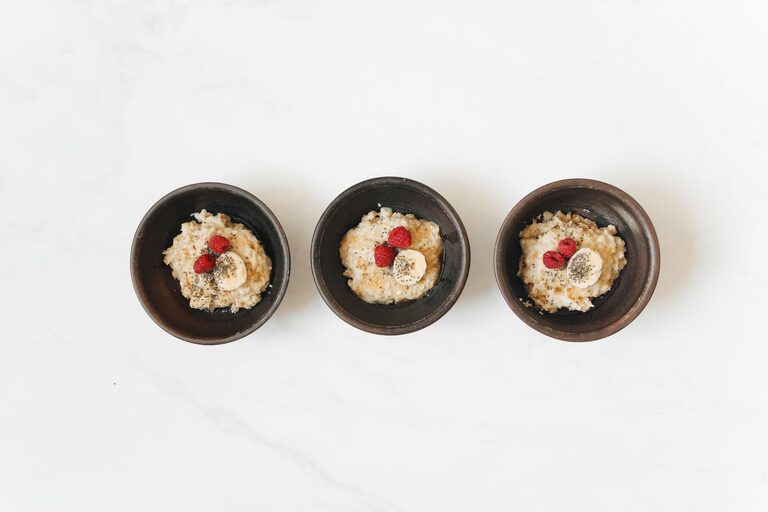
Leftovers can be reinvented into soups, salads, stir-fries, or casseroles. This not only reduces waste but also adds variety to your meals.
Freeze Excess Food
If you cook in large batches, freeze portions you won’t eat immediately. Freezing slows down spoilage and makes it easy to enjoy home-cooked meals later.
Use Stale Ingredients
Stale bread can be turned into breadcrumbs or croutons. Overripe fruits are perfect for smoothies, baking, or jams.
Reduce Waste During Food Preparation
Cut Food Wisely
Peel and cut only what you plan to use right away to avoid trimming too much.
Compost Scraps
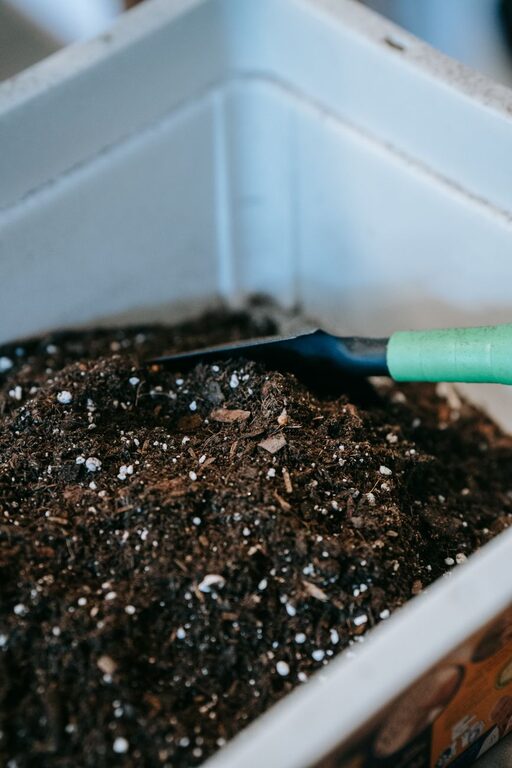
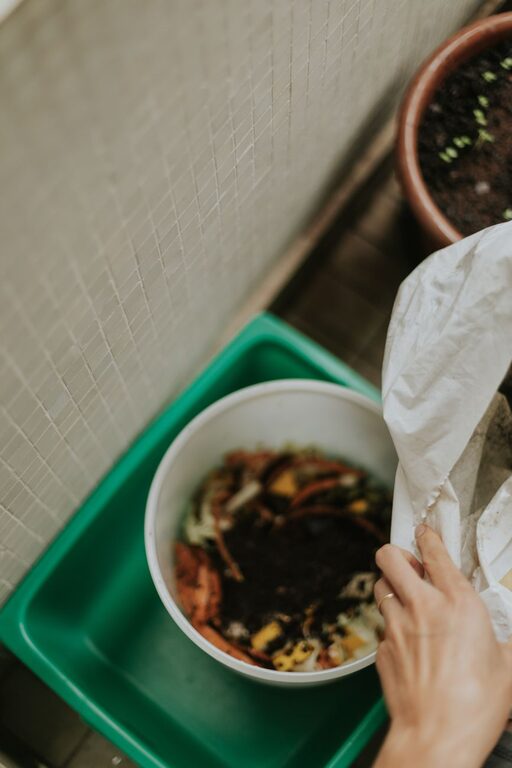
Food scraps such as vegetable peels, coffee grounds, and eggshells can be composted. Composting reduces landfill waste and produces nutrient-rich soil for plants.
Practice Mindful Eating Habits
Serve Reasonable Portions
Serving smaller portions can help reduce uneaten food left on plates. You can always go back for seconds if you’re still hungry.
Encourage Family Participation
Involve family members in meal planning and preparation to raise awareness about food waste and encourage everyone to finish their meals.
Monitor Your Food Waste
Keep a Waste Diary
Track what foods you throw away and why. This can help you identify patterns and improve shopping and cooking habits in the future.
Set Waste Reduction Goals
Challenge yourself or your household to reduce waste week by week. Celebrate progress to stay motivated.
—
Reducing food waste at home is a simple yet impactful way to contribute to a more sustainable future. By planning meals, storing food properly, creatively using leftovers, and adopting mindful eating habits, you can cut down waste and make your kitchen more efficient. Start with small changes today and enjoy the benefits of saving money and helping the environment.
About the Author