Composting at home is a rewarding way to reduce waste and create nutrient-rich soil for your garden. If you’re new to composting, the process may seem a bit daunting, but with a few simple tips, you can start turning kitchen scraps and yard waste into valuable compost. This guide will walk you through the basics to help you begin composting with confidence.
What Is Composting?
Composting is the natural process of recycling organic materials, such as food scraps and yard waste, into a rich soil amendment called compost. This “black gold” improves soil health, helps plants grow, and reduces the amount of waste sent to landfills.
Why Compost at Home?
– Reduce Waste: Composting cuts down on the trash you produce by turning organic waste into something useful.
– Enhance Soil: Compost adds nutrients and improves soil texture, helping your plants thrive.
– Save Money: Reduces the need to buy commercial fertilizers and soil conditioners.
– Help the Environment: Composting lowers greenhouse gas emissions by diverting waste from landfills.
Getting Started: The Basics of Home Composting
Choose a Composting Method
There are several ways to compost at home. Pick the one that fits your space and lifestyle:
– Compost Bin: A simple container for composting kitchen scraps and yard debris.
– Compost Pile: An open heap, better for large yards.
– Tumbler Composters: Rotating bins that speed up decomposition.
– Vermicomposting: Using worms to break down organic matter, ideal for small spaces or indoors.
Select a Compost Bin or Location
– Place your compost bin in a well-drained, shady spot.
– If using a pile, pick a place that is convenient but out of the way.
– Ensure good airflow and easy access for adding materials and turning the compost.
What to Compost: The Right Ingredients
A healthy compost pile needs a balance of “greens” and “browns.”
– Greens (nitrogen-rich): Fruit and vegetable scraps, coffee grounds, grass clippings, fresh plant trimmings.
– Browns (carbon-rich): Dry leaves, straw, cardboard, paper towels, wood chips, egg cartons.
Items to Avoid
– Meat, dairy, oils, and fatty foods (can attract pests and cause odors)
– Diseased plants or weeds gone to seed
– Pet waste (can contain harmful pathogens)
– Non-biodegradable materials like plastics or metals
How to Compost Successfully
Step 1: Build Your Pile or Bin
Start with a layer of coarse browns like small branches or straw for good air circulation. Alternate layers of greens and browns as you add materials.
Step 2: Maintain Moisture
Compost should be as damp as a wrung-out sponge. If it’s too dry, add water; if too wet, add more browns to absorb moisture.
Step 3: Turn the Compost
Mix or turn your compost every one to two weeks with a garden fork or compost tool to speed up decomposition and prevent odor.
Step 4: Be Patient
Composting can take anywhere from a few months to a year depending on temperature, materials, and how often you turn it.
Troubleshooting Common Problems
– Bad Odor: Usually caused by too many greens or lack of oxygen. Add browns and turn the pile.
– Pile Too Dry: Add water and green materials.
– Slow Decomposition: Chop materials into smaller pieces, turn more often, or add nitrogen-rich ingredients.
– Pests: Avoid meat and dairy; secure bin lids and bury food scraps in the pile.
Using Your Finished Compost
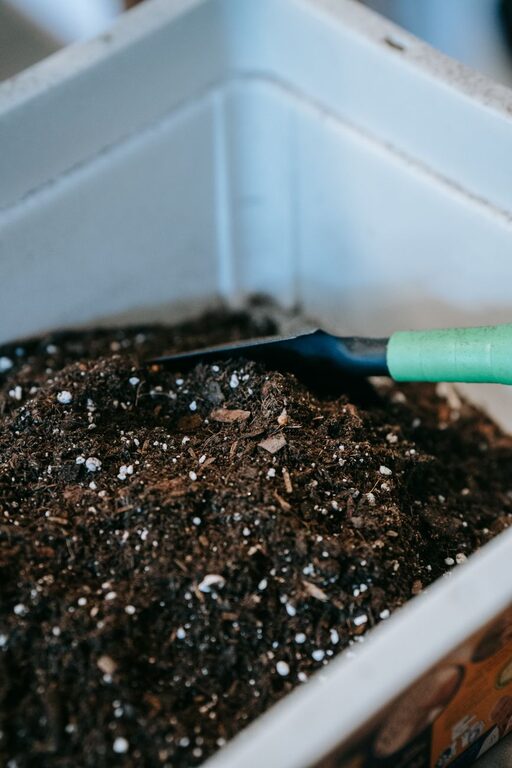
When your compost looks dark, crumbly, and smells earthy, it’s ready to use. You can:
– Mix it into garden beds and pots as a soil amendment.
– Use it as mulch around plants to retain moisture.
– Sprinkle it on lawns to improve soil quality.
Tips for Making Composting Easy
– Keep a small container in your kitchen for scraps.
– Freeze scraps like meat or dairy until you can add them to a separate hot compost pile (if you compost these).
– Use shredded newspaper or cardboard to add browns.
– Consider vermicomposting for indoor or small space composting.
– Track your compost progress in a journal or app.
Final Thoughts
Composting at home is a simple and effective way to benefit your garden and the environment. With patience and consistent effort, anyone can produce rich compost that nourishes plants and reduces waste. Start with small steps, stay consistent, and enjoy the satisfaction of turning your kitchen and yard waste into valuable soil!
Remember, composting is a learning process—don’t be discouraged by mistakes. With practice, you’ll become a composting pro in no time. Happy composting!
About the Author