Planning balanced meals can sometimes feel like a daunting task, especially when your schedule is packed or you’re trying to accommodate different tastes and dietary needs. However, with a few straightforward strategies, you can create nutritious meals that satisfy everyone at the table – all without stress. This guide will walk you through practical steps to plan balanced meals efficiently and enjoyably.
Why Balanced Meals Matter
A balanced meal includes the right proportions of macronutrients—carbohydrates, proteins, and fats—along with plenty of vitamins and minerals from fruits and vegetables. Eating balanced meals supports energy levels, promotes overall health, and helps maintain a healthy weight.
Step 1: Understand the Basics of a Balanced Plate
One of the easiest ways to visualize a balanced meal is to imagine your plate divided into sections:
– Half the plate: Fruits and vegetables
– One quarter: Lean protein (chicken, beans, fish, tofu)
– One quarter: Whole grains (brown rice, quinoa, whole wheat pasta)
– Add a small amount of healthy fats: Olive oil, nuts, or avocado
This simple framework can guide your meal choices without complicated recipes or counting calories.
Step 2: Plan Ahead with a Weekly Menu
Planning your meals ahead of time reduces decision fatigue and last-minute stress. Here’s how to get started:
Create a Meal Template
– Choose breakfast, lunch, and dinner options you enjoy that fit the balanced plate model.
– Include snacks like nuts, yogurt, or fruit to keep hunger at bay.
– Rotate recipes weekly to keep variety fresh.
Use a Meal Planning Tool
– Write your plan on paper, a whiteboard, or use apps designed for meal planning.
– Make a grocery list based on your planned meals to avoid impulse purchases.
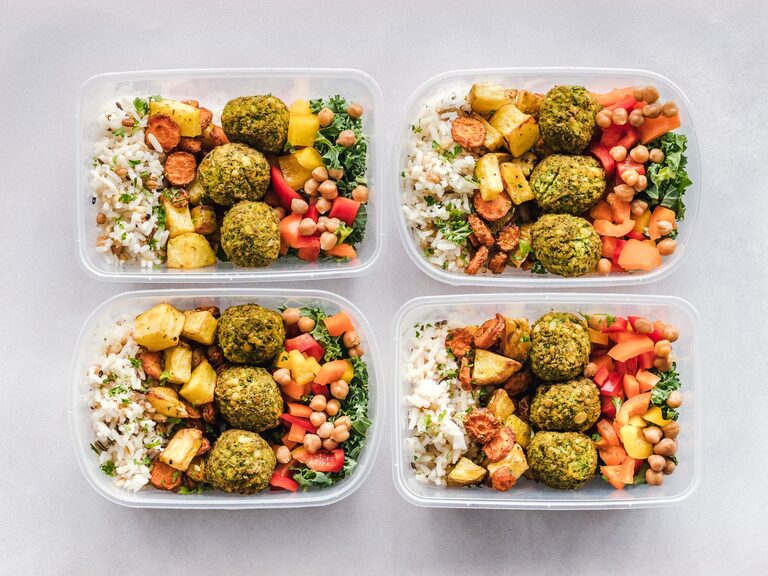
Prep Ingredients in Advance
– Wash and chop vegetables when you get home from the store.
– Cook grains or proteins in larger batches to use throughout the week.
– Store prepped ingredients in clear containers for easy access.
Step 3: Keep Shopping Simple
To reduce stress during grocery shopping:
– Stick to the grocery list based on your meal plan.
– Shop the perimeter of the store where fresh produce, dairy, and proteins are usually located.
– Avoid aisles with processed foods to encourage healthier choices.
Step 4: Embrace Flexible, Quick Recipes
Balanced meals don’t have to be complicated or time-consuming. Some ideas include:
– Stir-fries: Toss your favorite veggies, a protein, and a simple sauce with rice or noodles.
– Sheet Pan Dinners: Roast a mix of vegetables and a protein like chicken or fish on one pan.
– Salads: Start with leafy greens, add beans or grilled meats, nuts, and a light dressing.
– Wraps or Sandwiches: Use whole-grain bread or tortillas, plenty of veggies, and lean protein.
Step 5: Involve Everyone
Planning and preparing meals together can reduce stress and build healthy habits:
– Ask family members for meal ideas or preferences.
– Assign simple tasks like washing veggies or setting the table.
– Use mealtime as a chance to connect and enjoy the food you prepared.
Step 6: Don’t Aim for Perfection
It’s okay if every meal isn’t perfectly balanced. The goal is consistent effort over time, not flawless execution daily. Allow yourself to:
– Use leftovers creatively to reduce waste and save time.
– Enjoy occasional treats without guilt.
– Adapt your plan based on your day’s schedule or cravings.
Tips to Stay on Track
– Keep healthy staples stocked (canned beans, frozen veggies, whole grains).
– Keep a list of favorite easy recipes for quick reference.
– Set realistic goals and celebrate small wins in your meal planning journey.
Conclusion
Planning balanced meals without stress is all about preparation, simplicity, and flexibility. By understanding what makes a balanced plate, planning ahead with a weekly menu, simplifying your shopping and cooking process, and involving your loved ones, you can nourish your body and enjoy your meals with ease. Remember, the key is progress, not perfection.
—
Take the first step today by jotting down a simple meal plan for the next few days, and notice how much more relaxed you feel at mealtime. Happy eating!
About the Author